Opioid Treatmentin Colorado & New Mexico

Opioid addiction treatment at Porch Light Health uses MAT and counseling. Care available across Colorado and New Mexico.

two men hugging in a group therapy session

Table of Contents

Primary Item (H2)
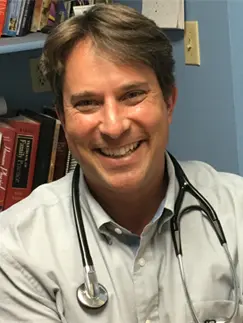
Jeremy Dubin
Clinically Reviewed By Jeremy Dubin, DO

Opioid Addiction Treatment at Porch Light Health

Porch Light Health is at the forefront of combating the opioid epidemic, serving both Colorado and New Mexico.

We specialize in providing medications like buprenorphine (often known by its brand name, Suboxone®) and Naltrexone, that are critical in treating opioid addiction. But it doesn't stop at medication. Recognizing that addiction is multifaceted, Porch Light Health also delivers Behavioral Health and Psychiatric Services, ensuring that patients receive holistic care addressing both the physical and psychological aspects of addiction.

Accessibility and convenience are paramount in the pursuit of effective treatment. To that end, Porch Light Health operates over 60 clinic locations. Furthermore, recognizing the diverse needs and situations of its patients, the clinic also operates mobile clinics. These medical mobile sites are instrumental in reaching populations that might find traditional clinic visits challenging. For those who might be geographically distant or prefer remote consultations, Porch Light Health offers telehealth services, ensuring that quality care is just a click away.

Through its wide array of services and expansive network, Porch Light Health stands as a beacon of hope, guiding countless individuals toward a brighter, addiction-free future.

What Are Opioids?

Opioids are drugs derived from the opium poppy plant. Some are directly extracted from the plant, while others are synthetically produced in laboratories to mimic the same chemical properties. These drugs are commonly prescribed for pain relief due to their calming and pain-reducing properties.

Despite their medical benefits, opioids can induce a state of relaxation or euphoria, leading some individuals to misuse them. This misuse can be perilous, given the addictive nature of opioids and the risk of overdose and death. Notably, heroin, one of the most hazardous opioids, is not used for medical purposes in the U.S.

Typical Prescription Opioids:
  • Hydrocodone (Vicodin®)
  • Oxycodone (OxyContin®, Percocet®)
  • Oxymorphone (Opana®)
  • Morphine (Kadian®, Avinza®)
  • Codeine
  • Fentanyl

Methods of Opioid Misuse

Prescription opioids, when utilized for pain management, are typically safe for short-term use under the strict guidance of a healthcare professional. However, their potent pain-relieving and euphoric effects can lead to misuse in various ways.
  • Deviation from Medical Instructions: Some individuals might consume opioids in a manner or dosage that's different from their doctor's recommendation. This can involve increasing the dosage, taking the medication more frequently, or using it for extended periods.
  • Unauthorized Use: There are instances where individuals might consume opioids prescribed to someone else. This is risky because what works for one person might not be appropriate for another, given the variations in individual health conditions, body weight, and potential drug interactions.
  • Recreational Use: Due to the euphoric sensation opioids can induce, some people might consume these medications purely for the pleasure or "high" they offer rather than for genuine medical reasons.

In terms of consumption methods, users may misuse opioids in the following ways:
  • Oral Intake: Most users swallow the medication in its original pill or capsule form.
  • Injection: Some, in pursuit of a more intense or rapid high, might go to the extent of crushing the pills or opening the capsules to extract the powder. This powder is then dissolved in water, and the resulting solution is injected directly into the bloodstream. This method can significantly increase the risk of overdose and other complications, including infections.
  • Smoking: In some cases, a user may heat a powdered drug like heroin or crushed fentanyl on a piece of foil to produce vapors that can be inhaled, providing a way to smoke opiates
  • Snorting: Another alternative method of misuse involves crushing the medication into a fine powder, which is then inhaled or "snorted" through the nose. This can lead to direct harm to the nasal passages and an intensified, rapid onset of effects.
The misuse of opioids, regardless of the method, escalates the risk of addiction, adverse health effects, and potentially fatal outcomes. It's crucial to always follow medical guidelines and consult healthcare professionals regarding any concerns about opioid use.

How Do Opioids Affect the Brain?

Opioids, once in the bloodstream, make their way to the brain, where they attach to specific proteins called opioid receptors. These receptors are scattered throughout the brain, spinal cord, and even some peripheral organs, particularly those responsible for sensations of pain and pleasure.

By activating these receptors, opioids are able to inhibit the transmission of pain signals, thereby creating an analgesic (pain-relieving) effect. Simultaneously, they stimulate the release of dopamine, a neurotransmitter linked to pleasure, reward, and euphoria. The surge in dopamine not only offers a sensation of pleasure but also contributes to the potential for repeated use or misuse as the brain begins to crave that elevated dopamine sensation.

What Are Some Possible Effects of Opioids on the Brain and Body?

In the immediate aftermath of opioid consumption, the user might experience significant pain relief, a sense of calm, and even euphoria. However, with this relief comes a suite of potential side effects:
  • Drowsiness: A lethargic, subdued state where the individual feels continuously tired or sleepy.
  • Confusion: Cognitive functions might be impaired, leading to difficulty in understanding or processing information.
  • Nausea: A feeling of discomfort in the stomach, often accompanied by an urge to vomit.
  • Constipation: A reduced bowel movement frequency, leading to hard and often painful stools.
  • Euphoria: An intense feeling of happiness, pleasure, or well-being.
  • Respiratory Depression: Opioids can slow down breathing rates, which, if severe, can decrease the oxygen levels in the blood.
Persistent misuse or an overdose can intensify respiratory depression, culminating in hypoxia - a scenario where the brain doesn't receive adequate oxygen. The consequences of hypoxia range from temporary cognitive impairments to more severe outcomes such as comas, irreversible brain damage, and even fatality.

The long-term ramifications of opioid misuse on brain health remain a focal point of research. Scientists are keenly exploring the extent of neurological damage and whether any such damage can be remedied or reversed.

What is Opioid Use Disorder (OUD)?

Opioid Use Disorder (OUD) is a medical condition characterized by a harmful and disruptive pattern of opioid consumption. It's marked not only by the physical cravings and withdrawal symptoms but also by the significant distress and impairment it brings into an individual's life. This means that the disorder can hinder daily activities and strain personal and professional relationships.

While the terms "opioid dependence" and "opioid addiction" are sometimes used interchangeably with OUD, they denote specific aspects of the condition. "Dependence" is used to describe the physical reliance on the drug, wherein a person may experience withdrawal symptoms if they cease intake. On the other hand, "addiction" is a broader concept, denoting a chronic brain disease. A person with an addiction feels an uncontrollable urge to take the drug, even when aware of its damaging consequences.

The likelihood of developing OUD increases with the misuse of opioids. Such misuse can manifest in various ways, including consuming higher doses than prescribed, using the medication with the intent to experience euphoria, or illicitly obtaining and consuming opioids that weren't prescribed for you.

The ramifications of widespread opioid misuse extend beyond individual health. It has burgeoned into a major public health concern in the United States, touching various aspects of society. 

Can a Person Overdose on Opioids?

Yes, an individual can suffer an overdose from opioid consumption, whether it's from prescription medications or illicit substances. An opioid overdose typically manifests when an individual ingests a quantity of the drug that is sufficient to induce severe, potentially lethal symptoms.

A predominant danger of an opioid overdose is the suppression of the respiratory system, which can lead to significantly slowed or even halted breathing. This compromised respiratory activity can subsequently cause a substantial reduction in the flow of oxygen to the brain. Such a lack of essential oxygen can culminate in dire outcomes, including entering into a coma, sustaining irreversible brain damage, or losing one's life.

How Can an Opioid Overdose Be Treated?

In the event that you believe someone may be experiencing an opioid overdose, the paramount action is to immediately dial 911, ensuring that professional medical intervention is on the way. Speed is of the essence, as every second counts in such situations, and the utilization of naloxone — a medication specifically designed to counteract the life-threatening effects of an opioid overdose - is almost always needed.

Naloxone functions by swiftly attaching itself to opioid receptors in the body, effectively counteracting and negating the harmful impact of the overdose. It acts as a kind of "reset" button, temporarily reversing the respiratory depression that can lead to death during an overdose. Naloxone is versatile in its administration, available in various forms such as an injectable solution, a user-friendly auto-injector known as EVZIO®, and a convenient nasal spray branded as NARCAN® Nasal Spray.

Acknowledging the gravity of the opioid crisis, several states have enacted legislation that empowers pharmacists to provide naloxone even in the absence of a direct prescription. Porch Light Health will always supply their patients and family/friends with this important medication. This progressive step means that community members, friends, and family can readily access and administer naloxone, either through the auto-injector or nasal spray, potentially saving the life of someone in the throes of an overdose.

Symptoms of Opioid Withdrawal

Opioid withdrawal refers to the symptoms that can occur after stopping or drastically reducing opiate drugs after heavy and prolonged use, especially if usage is discontinued abruptly. These symptoms can be both physical and psychological and can vary in intensity and duration depending on the duration of drug use, the type of drug, the dose, as well as individual factors.

Physical Symptoms of Opioid Withdrawal

  • Yawning: One of the earliest symptoms of opioid withdrawal.
  • Runny nose and teary eyes: Often mistaken for cold symptoms.
  • Sweating and chills: Body temperature regulation becomes difficult.
  • Muscle aches and pains: This can range from mild to severe.
  • Restlessness: A constant urge to move or feeling uneasy.
  • Dilated pupils: Eyes may become more sensitive to light.
  • Goosebumps: Giving the appearance of "goose flesh."
  • Abdominal cramping, diarrhea, and nausea: Digestive system disturbances can lead to dehydration if not addressed.
  • Rapid heartbeat: Increased heart rate, which can be alarming to some individuals.

Psychological Symptoms of Opioid Withdrawal

  • Irritability and mood swings: Emotional instability is common.
  • Anxiety: Feelings of unease or worry about the withdrawal process or other concerns.
  • Depression: Severe sadness or despair, sometimes accompanied by feelings of hopelessness.
  • Insomnia: Difficulty falling asleep or staying asleep.
  • Drug cravings: Intense desire to use the drug again to alleviate withdrawal symptoms.
It's important to note that while opioid withdrawal can be extremely uncomfortable, it's typically not life-threatening. However, it can lead to complications if not monitored and managed appropriately, especially dehydration from prolonged vomiting and diarrhea. Individuals considering discontinuation of opioids, especially after prolonged use, should consult with healthcare professionals to ensure a safe and monitored withdrawal process.

How Can People Get Treatment for Opioid Addiction?

Addressing opioid addiction often requires a multi-faceted approach, blending behavioral interventions and, when appropriate, medical treatments.

Behavioral Therapies

These methods delve into the psychological and behavioral reasons for addiction, aiming to alter unhealthy patterns and develop coping strategies. Some of the prominent behavioral treatments include:
  • Cognitive-Behavioral Therapy (CBT): Helps patients recognize, avoid, and cope with situations that could lead them back to drug use.
  • Contingency Management: This approach involves providing tangible rewards for positive behaviors, such as maintaining sobriety.
  • Therapeutic Communities: These are structured environments where individuals in recovery support each other. By living in a drug-free setting, they work collectively to alter their perspectives and behaviors related to drug use.
  • Community-Based Recovery Groups: These are peer-led support groups, with 12-step programs being one of the most renowned. Such groups offer a platform of mutual understanding and support.
  • Community-Based Recovery Groups: These are peer-led support groups, with 12-step programs being one of the most renowned. Such groups offer a platform of mutual understanding and support.

Medications for Addiction Treatment (MAT)

Medication-assisted treatment (MAT) is an integrated approach that combines both behavioral therapy and specific medications to address substance use disorders. This holistic strategy ensures that both the physical and psychological aspects of addiction are treated comprehensively.

Among the various treatments available, three medications are commonly used to combat opioid addiction, and the choice of treatment should be based on individual needs and in consultation with a healthcare provider:
  • Methadone is an opioid agonist. Rather than blocking the effects of other narcotics, it focuses on preventing withdrawal symptoms when taken. The treatment typically comes in a daily liquid dose but also can be in the form of a pill or an injection. However, due to its potency and potential for misuse, methadone is dispensed only in specialty-regulated opioid treatment clinics.
  • Buprenorphine holds the distinction of being the first medication approved to treat Opioid Use Disorder (OUD) that can be prescribed or dispensed directly from a physician's office. This significant advancement has expanded the accessibility of treatment. For a deeper understanding, please refer to our resource on Suboxone® Therapy.
  • Naltrexone, a non-addictive opioid antagonist, works by actively blocking the effects of other narcotics. It's available in two forms: a daily pill or a monthly injection. Due to its nature, it's typically administered with oversight in a healthcare provider's office.

How Opioid Addiction Treatment Works at Porch Light Health

Treatment moves through five stages. Most people begin medication within their first visit or two, and the pace is set with your provider.

1. Intake and Assessment: You meet with our care team to talk through your history, your goals, and your current use. Together you build a plan. We use medication for addiction treatment (MAT), which combines FDA-approved medication with counseling.

2. Induction, Starting Medication: You begin medication when it is clinically appropriate. Induction is the supervised start of a medication like buprenorphine, and we monitor your comfort and safety closely through it.

3. Stabilization: Over the next several visits we adjust your dose, add counseling, and support sleep, mood, and cravings. Urine drug screening, also called toxicology, helps guide the plan.

4. Maintenance: You keep momentum with regular check-ins, refills, and therapy. Visits can happen in a clinic, at a mobile unit, or by telehealth.

5. Recovery Supports: We talk about the parts of life that make treatment hard to keep, including work, family, scheduling, and transportation. Your care team can connect you with local resources.

Porch Light Health Is Here to Help

The repercussions of the opioid crisis are profound and far-reaching, affecting countless lives and communities. With its complex interplay of dependence, tolerance, and addiction, understanding the opioid epidemic requires a comprehensive approach. Over the years, opioids have evolved, and so has the crisis, spanning from the over-prescription of pain medications to the rise of synthetic opioids on the streets.

If you or someone you know is battling with opioid addiction, don't face it alone. Reach out to Porch Light Health. Their dedicated team of professionals is ready to support, guide, and provide the necessary tools to navigate the road to recovery. Remember, every journey begins with a single step. Take yours today towards a brighter, healthier future with Porch Light Health.

Frequently Asked Questions About Opioid Addiction Treatment

What medications are used for opioid addiction treatment?

Most treatment plans use buprenorphine, often as Suboxone, or naltrexone or methadone. Your provider helps you choose based on your goals, your current use, and your medical history. All three work best alongside counseling and regular check-ins.

How does opioid addiction treatment work?

Treatment starts with an assessment, then moves through induction, stabilization, and maintenance. Visits can happen in a clinic, at a mobile unit, or by telehealth. Counseling, lab work, and safety planning support the medication side of your plan.

How is hepatitis C transmitted?

Hepatitis C is most commonly transmitted through contact with the blood of an infected person. The most common route today is sharing needles or other equipment used to prepare and inject drugs. Less commonly, it can be passed from mother to baby during pregnancy or birth.

What is opioid use disorder?

Opioid use disorder, or OUD, is a medical condition marked by a pattern of opioid use that a person cannot control and that disrupts daily life. It is treatable. Medication and counseling together are the standard of care for it.

What can I expect during opioid withdrawal?

Withdrawal can bring body aches, sweating, nausea, trouble sleeping, anxiety, and strong cravings. Starting medication at the right time is what eases it. Tell your care team right away if you feel unwell so they can adjust your plan.

Is inpatient or outpatient better for opioid addiction?

Many adults do well with outpatient treatment when it is clinically safe. Porch Light Health provides outpatient care, including ambulatory medically supervised withdrawal, which happens on an outpatient basis. If you need a different level of care, your provider will talk it through with you.

How long does opioid addiction treatment take?

Length varies from person to person. Some people stabilize over several months, and many stay on medication longer because it keeps working. You and your provider review your progress together and adjust the plan as your life changes.

What should I do if I think someone is overdosing?

Call 911 immediately. Naloxone can reverse an opioid overdose and is available as a nasal spray or an injection. Stay with the person until help arrives. Ask your care team about overdose prevention and naloxone at your next visit.

How do I find opioid addiction treatment near me?

Use our clinic finder to see locations across Colorado and New Mexico, ask whether a mobile unit serves your area, or request a telehealth visit. Call us and we will help match you to the closest option that works for you.

References

  1. Centers for Disease Control and Prevention. "Recovery is Possible: Treatment for Opioid Addiction." Last reviewed May 2, 2024. https://www.cdc.gov/overdose-prevention/treatment/opioid-addiction.html
  2. U.S. Food and Drug Administration. "Information about Medications for Opioid Use Disorder (MOUD)." https://www.fda.gov/drugs/information-drug-class/information-about-medications-opioid-use-disorder-moud
  3. MedlinePlus, National Library of Medicine. "Opioid Use Disorder (OUD) Treatment." Last updated March 27, 2024. https://medlineplus.gov/opioidusedisorderoudtreatment.html
  4. National Institute on Drug Abuse. "Naloxone DrugFacts." Last updated March 6, 2026. https://nida.nih.gov/publications/drugfacts/naloxone
  5. MedlinePlus Medical Encyclopedia, National Library of Medicine. "Opiate and Opioid Withdrawal." Last updated May 4, 2024. https://medlineplus.gov/ency/article/000949.htm
  6. Substance Abuse and Mental Health Services Administration. "Opioid Treatment Program Information." https://www.samhsa.gov/substance-use/treatment/opioid-treatment-program
Translate »
phone-handsetphone