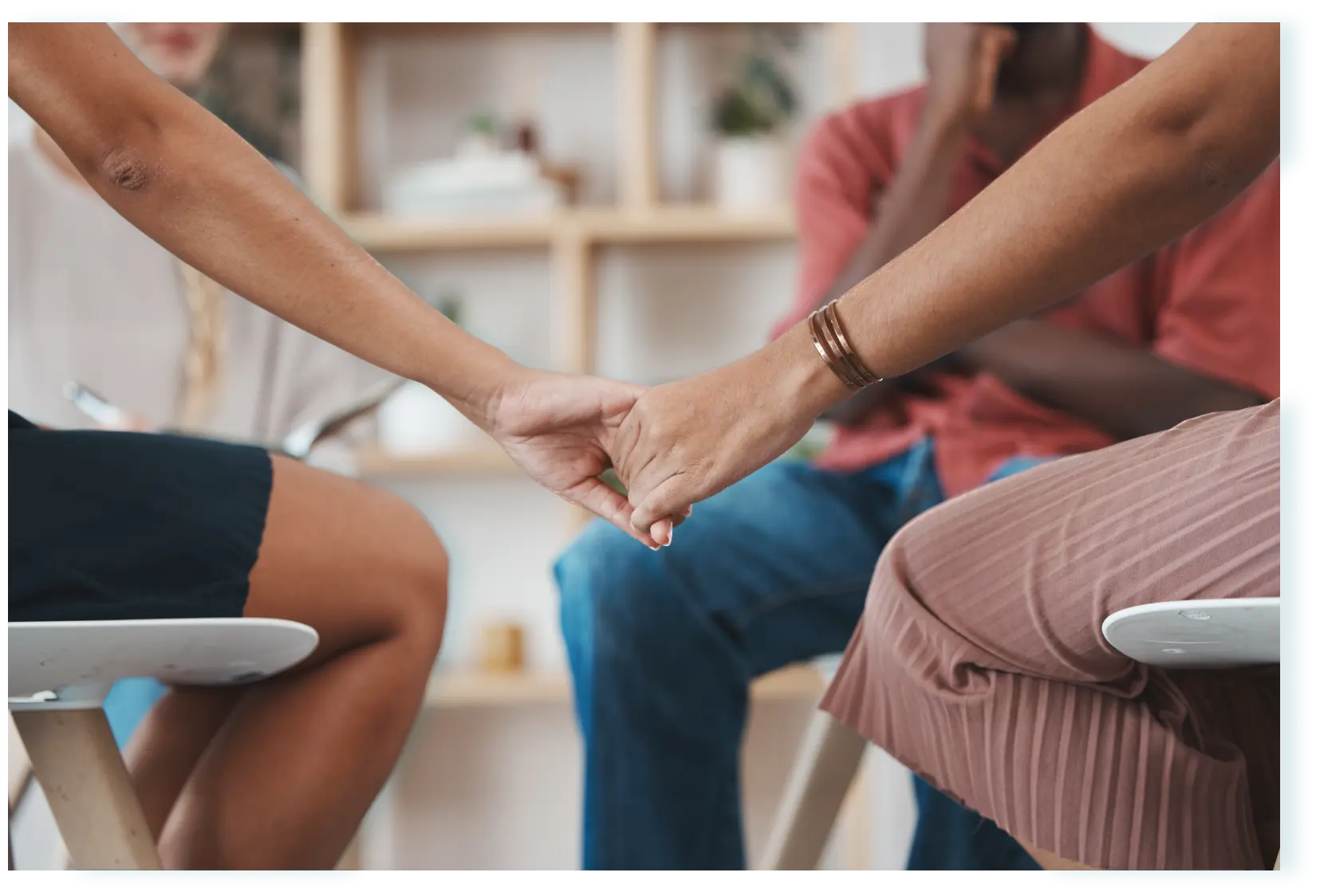
Alcohol use disorder (AUD) is treatable, and getting care doesn't mean putting your life on hold. Porch Light Health provides outpatient alcohol treatment across Colorado and New Mexico — medication, counseling, and psychiatric care at a clinic near you, on a mobile medical unit, or by telehealth. Medicaid, Medicare, and commercial insurance accepted.
When it comes to alcohol addiction, it is crucial to have a comprehensive understanding of the problem, its prevalence in Colorado and New Mexico, and the treatment options available.
Alcohol addiction, also known as alcoholism or alcohol use disorder, is a chronic disease characterized by the compulsive and uncontrollable consumption of alcohol. It affects individuals physically, psychologically, and socially, often leading to severe health and interpersonal problems. To comprehend the depth of alcohol addiction, it is essential to examine the underlying science and psychological factors contributing to this dependency.
AUD exists on a spectrum. The DSM-5, the diagnostic manual used by clinicians, lists 11 criteria.
Meeting 2 or 3 in the past year indicates a mild disorder
4 or 5 indicates a moderate disorder
6 or more indicates a severe disorder
The criteria include drinking more or longer than intended, unsuccessful efforts to cut down, strong cravings, tolerance, withdrawal, and continued use despite harm.
The Science Behind Alcohol Dependence
Alcohol dependence occurs when the brain adapts to frequent alcohol exposure, leading to changes in neurotransmitter levels and brain function. The brain's reward system, which is responsible for reinforcing pleasurable experiences, becomes hijacked by alcohol. This hijacking results in a surge of dopamine, a neurotransmitter associated with pleasure and reward, whenever alcohol is consumed.
Over time, tolerance develops, requiring individuals to consume more alcohol to achieve the desired effects. This neuroadaptation ultimately results in physical dependence, where the body relies on alcohol to function normally. The body's attempt to maintain equilibrium leads to withdrawal symptoms when alcohol consumption is reduced or stopped abruptly. These symptoms can range from mild discomfort to life-threatening seizures and delirium tremens.
Furthermore, alcohol abuse can have detrimental effects on various organs and systems in the body. Prolonged alcohol consumption can lead to liver damage, pancreatitis, cardiovascular problems, and weakened immune function. The impact on the brain can result in cognitive impairments, memory loss, and an increased risk of developing mental health disorders such as anxiety and depression.
Psychological Factors of Alcohol Addiction
Besides the physiological aspects, psychological factors also play a significant role in alcohol addiction. Many individuals turn to alcohol as a means of coping with stress, trauma, or underlying mental health conditions such as anxiety or depression. Alcohol can temporarily alleviate feelings of sadness, anxiety, or loneliness, providing a temporary escape from emotional pain.
However, this relief is short-lived and can lead to a vicious cycle of dependency. Alcohol's depressant effects can exacerbate symptoms of depression and anxiety, leading individuals to rely on alcohol even more. Additionally, alcohol can impair judgment and decision-making, making it difficult for individuals to address the root causes of their psychological distress.
In some cases, social pressure and cultural acceptance of alcohol use can contribute to the development of addiction. Peer influence, societal norms, and media portrayals of alcohol consumption can create an environment where excessive drinking is normalized. This normalization can make it challenging for individuals to recognize the signs of addiction and seek help.
It is crucial to approach alcohol addiction from a holistic perspective, addressing both the physiological and psychological aspects. Treatment options for alcohol addiction include therapy, support groups, medication, and lifestyle changes. With the right support and interventions, individuals can overcome alcohol addiction and regain control of their lives.
The Prevalence of Alcohol Addiction in Colorado and New Mexico
The two states we serve carry some of the heaviest alcohol-related health burdens in the country. According to the Centers for Disease Control and Prevention, New Mexico has consistently held one of the highest alcohol-related death rates in the United States, and Colorado sits well above the national average. Behind those numbers are families, coworkers, and patients who tell us the same story: drinking that started socially gradually became something they could not put down.
The good news is that effective treatment is widely available, and the data on outpatient care is strong. The Substance Abuse and Mental Health Services Administration (SAMHSA) reports that outpatient programs combined with medication produce outcomes comparable to residential rehab for the majority of patients with mild to moderate AUD, at a fraction of the cost and disruption.
Signs It May Be Time To Reach Out
Most people we see did not arrive after a single dramatic event. They arrived because something quieter kept repeating. Some signs that warrant a clinical conversation:
You drink more than you planned to, more days than not.
You have tried to cut back or stop and have not been able to.
You feel anxious, shaky, sweaty, or nauseated when you have not had a drink for a few hours.
You hide how much you drink from people who care about you.
You have noticed a doctor mention your liver enzymes, blood pressure, or sleep.
You worry about a partner, parent, or child who is drinking and want to understand options before bringing it up.
If you recognized yourself or a loved one in two or more of those, it is worth a call. We do not require a formal diagnosis to talk.
Types of Alcohol Treatment Available in Colorado and New Mexico
We treat alcohol use disorder on an outpatient basis in both states. That means medication for addiction treatment, counseling, and psychiatric care you can access without stepping away from work, school, or family.
Types of Treatment in Colorado
Care is available across Northern Colorado, the Denver metro, Southern Colorado, the Western Slope, and Northwest Colorado, in person or on a mobile medical unit. Alcohol treatment here includes medication, individual and group counseling, psychiatry, and outpatient support for withdrawal.
We serve communities across New Mexico, including Albuquerque, Santa Fe, Las Cruces, Farmington, and Española. Patients here have access to the same outpatient care: medication for alcohol use disorder, counseling, psychiatry, and virtual visits when getting to a clinic is difficult.
Alcohol treatment involves a comprehensive process that typically includes an initial assessment and diagnosis, detoxification, therapy and counseling, and aftercare and ongoing support.
Initial Assessment and Diagnosis
Before embarking on a treatment journey, individuals undergo an initial assessment to evaluate their specific needs and determine an appropriate treatment plan. This assessment may involve medical, psychological, and social evaluations to gain a holistic understanding of the individual's addiction and any underlying issues that need to be addressed.
It is at this point that an individual would receive evaluation on the most appropriate setting for alcohol treatment - inpatient versus outpatient.
Detoxification and Withdrawal Management
For those with a physical dependence on alcohol, the detoxification phase is crucial. During this process, the body rids itself of alcohol while managing withdrawal symptoms. Detoxification centers provide medical monitoring and support to ensure the safety and comfort of individuals during this challenging stage of treatment.
MAT for Alcohol Use Disorder
There are many medications that are approved for Alcohol Use Disorder. They include Naltrexone (Vivitrol™), Acamprosate (Campral™) and Disulfiram (Antabuse™). These medications can assist a patient in lowering their cravings or create adverse reactions when drinking. These medications, like when used with Opioid Use Disorder, can act as tools to help “level the playing field” biochemically, so individuals can make better progress in their recovery. At FRC, we evaluate all patients for their appropriate candidacy to utilize these medications, as well as giving attention to the neuroprotective and supportive advantages of other medications too.
Therapy and Counseling
Therapy and counseling form the cornerstone of alcohol treatment. Individuals engage in one-on-one therapy, group therapy, and specialized counseling sessions to address the root causes of their addiction and develop healthy coping mechanisms and relapse prevention strategies. Therapy sessions may incorporate evidence-based approaches such as cognitive-behavioral therapy (CBT) or motivational interviewing.
Aftercare and Ongoing Support
After completing the initial treatment program, individuals require ongoing support to reinforce their recovery and prevent relapse. Aftercare and ongoing support may involve participation in support groups like Alcoholics Anonymous (AA), individual counseling sessions, family therapy, and access to community resources. Continued support and engagement in a sober community are essential for long-term sobriety.
Medications Used for Alcohol Treatment
At Porch Light Health, an integral part of our comprehensive approach to alcohol use disorder (AUD) treatment involves the use of FDA-approved medications. These drugs can effectively reduce cravings, manage withdrawal symptoms, and help individuals remain abstinent from alcohol. Let's delve deeper into some of the primary medications we employ:
Naltrexone (Vivitrol)
Naltrexone, available as an oral medication or as a monthly injectable form known as Vivitrol, primarily targets the brain's reward system. It blocks the euphoria and sedative effects of alcohol, thereby diminishing the desire to consume it. By reducing the pleasurable sensations associated with alcohol intake, patients on naltrexone often find it easier to abstain or moderate their drinking. The use of Vivitrol, in particular, offers the advantage of monthly dosing, which can enhance compliance for some individuals.
Acamprosate (Campral)
Acamprosate, marketed under the brand name Campral, works by stabilizing the brain's chemical balance disturbed by chronic alcohol consumption. It reduces the protracted withdrawal symptoms such as insomnia, anxiety, and restlessness that can persist for weeks to months after stopping alcohol. For many individuals, Acamprosate can enhance the effectiveness of counseling and other behavioral therapies by reducing the discomfort and distress that can trigger a relapse.
Gabapentin
While not FDA-approved specifically for AUD, Gabapentin, initially developed for epilepsy, has shown promise in several studies for reducing alcohol consumption and promoting abstinence. It's believed that Gabapentin may reduce the symptoms of alcohol withdrawal and the negative effects of alcohol on mood and sleep. It's sometimes used off-label for AUD, especially in patients who might not be candidates for other AUD medications.
Disulfiram (Antabuse)
Disulfiram, commonly known as Antabuse, operates on a different principle compared to the other medications. It discourages alcohol consumption by causing an acute sensitivity to ethanol. When someone taking Disulfiram consumes alcohol, they experience a range of very unpleasant symptoms, including nausea, flushing, headache, and palpitations. The fear of these severe reactions acts as a deterrent for many from consuming alcohol, aiding in their commitment to abstinence.
Incorporating medications into the treatment plan, when appropriate, can enhance the chances of a successful recovery. These drugs, used in conjunction with behavioral therapies and counseling, offer a multi-faceted approach to treating AUD. It's always essential to discuss with a healthcare provider to understand the potential benefits and risks associated with each medication and to determine the best treatment approach for each individual.
What to Expect: Getting Started with Porch Light Health
Starting alcohol treatment with us begins with a conversation, not a commitment.
1. Reach out:Contact us today. Tell us whether you want to cut back or stop, and any withdrawal symptoms you've noticed.
2. Get assessed: We'll review your history, medications, and current drinking to plan a safe start, either at a clinic or by telehealth.
3. Screen for withdrawal: If you're at higher risk, we may recommend ambulatory medically supervised withdrawal, which is outpatient care with closer monitoring. If you need more than we can safely provide, we'll say so and help you get there.
4. Build your plan: Medication such as naltrexone, counseling, and the setting that fits your life: clinic, mobile unit, or virtual visit.
5. Start and follow up: If medication is part of your plan, we'll cover how to begin safely, then set your counseling and follow-up visits.
Get Well with MAT Services from Porch Light Health
Alcohol use disorder is a severe and common form of substance use disorder that requires professional treatment in a professional environment. Left untreated, alcohol addiction can impact a person’s lifestyle, relationships, and much more. If you or a loved one have an addiction to alcohol, it’s best if you reach out to a treatment center today to seek advice on how best to proceed.
Porch Light Health offers support for alcohol use disorder in the states of New Mexico and Colorado. We have in-person clinics and mobile treatment sites that can help you or a loved one overcome alcohol addiction. Contact us today to learn about our addiction treatment services.
Frequently Asked Questions About Alcohol Addiction Treatment
What is the most effective treatment for alcohol use disorder?
The most effective treatment for AUD is a combination of FDA-approved medication (such as naltrexone or acamprosate) and behavioral therapy delivered consistently over time. Research from NIAAA and SAMHSA shows that this combination outperforms either approach alone for most patients. The right plan depends on your drinking pattern, medical history, and goals, which is why we build it together at intake.
How long does alcohol addiction treatment take?
Outpatient AUD treatment is not a fixed program length. Some patients stabilize in 3 to 6 months and move into long-term maintenance. Others, especially those with co-occurring mental health conditions, benefit from a year or more of active treatment. Medication may be continued for as long as it is helping. The clinical evidence is consistent: longer engagement predicts better outcomes.
Does insurance cover alcohol addiction treatment?
Yes, in most cases. Federal parity laws require commercial insurance plans to cover substance use treatment at parity with medical care. Medicaid in both Colorado and New Mexico covers outpatient AUD treatment, and Medicare covers it as well. We verify benefits before your first visit so you know what to expect.
Can you treat alcoholism without going to inpatient rehab?
Yes. For mild to moderate AUD, outpatient treatment combined with medication is the clinical standard of care and produces outcomes comparable to residential rehab for the majority of patients. Inpatient rehab is most appropriate when there is a high medical risk (such as severe withdrawal, unstable co-occurring conditions, or no safe living environment). Our outpatient and ambulatory withdrawal services cover most clinical needs without the disruption of a 30-day stay.
Is it safe to stop drinking on my own?
For light or social drinkers, yes. For anyone drinking heavily on a daily basis, no. Alcohol withdrawal can include seizures and delirium tremens (DTs), which are medical emergencies. If you have been drinking heavily for weeks or longer, please reach out before you stop so we can support you safely through the first few days.
What medications help with alcohol cravings?
Naltrexone (oral or as the monthly Vivitrol injection) reduces the reward signal alcohol produces in the brain and is the most commonly prescribed first-line medication for cravings. Acamprosate helps with the protracted withdrawal symptoms (anxiety, insomnia, restlessness) that drive many relapses in early recovery. Disulfiram works differently: it produces an aversive reaction if alcohol is consumed, so it is best for patients with strong external motivation. Off-label medications like gabapentin and topiramate may also help in select cases.
Do I have to commit to total abstinence to start treatment?
No. Many patients begin treatment while still drinking and use medication (especially naltrexone) to reduce intake before stopping. The goal is harm reduction first and abstinence when and if the patient chooses it. We meet you at the goal you bring through the door.
My loved one will not admit they have a problem. What do I do?
You can still take steps. Call us at 866-394-6123. We can talk through what is happening, what treatment options would look like for them, and how to have the conversation in a way that does not corner them. You do not need their permission to gather information, and you do not have to do this alone.
This mode enables people with epilepsy to use the website safely by eliminating the risk of seizures that result from flashing or blinking animations and risky color combinations.
Visually Impaired Mode
Improves website's visuals
This mode adjusts the website for the convenience of users with visual impairments such as Degrading Eyesight, Tunnel Vision, Cataract, Glaucoma, and others.
Cognitive Disability Mode
Helps to focus on specific content
This mode provides different assistive options to help users with cognitive impairments such as Dyslexia, Autism, CVA, and others, to focus on the essential elements of the website more easily.
ADHD Friendly Mode
Reduces distractions and improve focus
This mode helps users with ADHD and Neurodevelopmental disorders to read, browse, and focus on the main website elements more easily while significantly reducing distractions.
Blindness Mode
Allows using the site with your screen-reader
This mode configures the website to be compatible with screen-readers such as JAWS, NVDA, VoiceOver, and TalkBack. A screen-reader is software for blind users that is installed on a computer and smartphone, and websites must be compatible with it.
Online Dictionary
Readable Experience
Content Scaling
Default
Text Magnifier
Readable Font
Dyslexia Friendly
Highlight Titles
Highlight Links
Font Sizing
Default
Line Height
Default
Letter Spacing
Default
Left Aligned
Center Aligned
Right Aligned
Visually Pleasing Experience
Dark Contrast
Light Contrast
Monochrome
High Contrast
High Saturation
Low Saturation
Adjust Text Colors
Adjust Title Colors
Adjust Background Colors
Easy Orientation
Mute Sounds
Hide Images
Hide Emoji
Reading Guide
Stop Animations
Reading Mask
Highlight Hover
Highlight Focus
Big Dark Cursor
Big Light Cursor
Cognitive Reading
Virtual Keyboard
Navigation Keys
Voice Navigation
Accessibility Statement
porchlighthealth.com
October 5, 2026
Compliance status
We firmly believe that the internet should be available and accessible to anyone, and are committed to providing a website that is accessible to the widest possible audience, regardless of circumstance and ability.
To fulfill this, we aim to adhere as strictly as possible to the World Wide Web Consortium’s (W3C) Web Content Accessibility Guidelines 2.1 (WCAG 2.1) at the AA level. These guidelines explain how to make web content accessible to people with a wide array of disabilities. Complying with those guidelines helps us ensure that the website is accessible to all people: blind people, people with motor impairments, visual impairment, cognitive disabilities, and more.
This website utilizes various technologies that are meant to make it as accessible as possible at all times. We utilize an accessibility interface that allows persons with specific disabilities to adjust the website’s UI (user interface) and design it to their personal needs.
Additionally, the website utilizes an AI-based application that runs in the background and optimizes its accessibility level constantly. This application remediates the website’s HTML, adapts Its functionality and behavior for screen-readers used by the blind users, and for keyboard functions used by individuals with motor impairments.
If you’ve found a malfunction or have ideas for improvement, we’ll be happy to hear from you. You can reach out to the website’s operators by using the following email info@frontrangeclinics.com
Screen-reader and keyboard navigation
Our website implements the ARIA attributes (Accessible Rich Internet Applications) technique, alongside various different behavioral changes, to ensure blind users visiting with screen-readers are able to read, comprehend, and enjoy the website’s functions. As soon as a user with a screen-reader enters your site, they immediately receive a prompt to enter the Screen-Reader Profile so they can browse and operate your site effectively. Here’s how our website covers some of the most important screen-reader requirements, alongside console screenshots of code examples:
Screen-reader optimization: we run a background process that learns the website’s components from top to bottom, to ensure ongoing compliance even when updating the website. In this process, we provide screen-readers with meaningful data using the ARIA set of attributes. For example, we provide accurate form labels; descriptions for actionable icons (social media icons, search icons, cart icons, etc.); validation guidance for form inputs; element roles such as buttons, menus, modal dialogues (popups), and others. Additionally, the background process scans all of the website’s images and provides an accurate and meaningful image-object-recognition-based description as an ALT (alternate text) tag for images that are not described. It will also extract texts that are embedded within the image, using an OCR (optical character recognition) technology. To turn on screen-reader adjustments at any time, users need only to press the Alt+1 keyboard combination. Screen-reader users also get automatic announcements to turn the Screen-reader mode on as soon as they enter the website.
These adjustments are compatible with all popular screen readers, including JAWS and NVDA.
Keyboard navigation optimization: The background process also adjusts the website’s HTML, and adds various behaviors using JavaScript code to make the website operable by the keyboard. This includes the ability to navigate the website using the Tab and Shift+Tab keys, operate dropdowns with the arrow keys, close them with Esc, trigger buttons and links using the Enter key, navigate between radio and checkbox elements using the arrow keys, and fill them in with the Spacebar or Enter key.Additionally, keyboard users will find quick-navigation and content-skip menus, available at any time by clicking Alt+1, or as the first elements of the site while navigating with the keyboard. The background process also handles triggered popups by moving the keyboard focus towards them as soon as they appear, and not allow the focus drift outside of it.
Users can also use shortcuts such as “M” (menus), “H” (headings), “F” (forms), “B” (buttons), and “G” (graphics) to jump to specific elements.
Disability profiles supported in our website
Epilepsy Safe Mode: this profile enables people with epilepsy to use the website safely by eliminating the risk of seizures that result from flashing or blinking animations and risky color combinations.
Visually Impaired Mode: this mode adjusts the website for the convenience of users with visual impairments such as Degrading Eyesight, Tunnel Vision, Cataract, Glaucoma, and others.
Cognitive Disability Mode: this mode provides different assistive options to help users with cognitive impairments such as Dyslexia, Autism, CVA, and others, to focus on the essential elements of the website more easily.
ADHD Friendly Mode: this mode helps users with ADHD and Neurodevelopmental disorders to read, browse, and focus on the main website elements more easily while significantly reducing distractions.
Blindness Mode: this mode configures the website to be compatible with screen-readers such as JAWS, NVDA, VoiceOver, and TalkBack. A screen-reader is software for blind users that is installed on a computer and smartphone, and websites must be compatible with it.
Keyboard Navigation Profile (Motor-Impaired): this profile enables motor-impaired persons to operate the website using the keyboard Tab, Shift+Tab, and the Enter keys. Users can also use shortcuts such as “M” (menus), “H” (headings), “F” (forms), “B” (buttons), and “G” (graphics) to jump to specific elements.
Additional UI, design, and readability adjustments
Font adjustments – users, can increase and decrease its size, change its family (type), adjust the spacing, alignment, line height, and more.
Color adjustments – users can select various color contrast profiles such as light, dark, inverted, and monochrome. Additionally, users can swap color schemes of titles, texts, and backgrounds, with over 7 different coloring options.
Animations – epileptic users can stop all running animations with the click of a button. Animations controlled by the interface include videos, GIFs, and CSS flashing transitions.
Content highlighting – users can choose to emphasize important elements such as links and titles. They can also choose to highlight focused or hovered elements only.
Audio muting – users with hearing devices may experience headaches or other issues due to automatic audio playing. This option lets users mute the entire website instantly.
Cognitive disorders – we utilize a search engine that is linked to Wikipedia and Wiktionary, allowing people with cognitive disorders to decipher meanings of phrases, initials, slang, and others.
Additional functions – we provide users the option to change cursor color and size, use a printing mode, enable a virtual keyboard, and many other functions.
Browser and assistive technology compatibility
We aim to support the widest array of browsers and assistive technologies as possible, so our users can choose the best fitting tools for them, with as few limitations as possible. Therefore, we have worked very hard to be able to support all major systems that comprise over 95% of the user market share including Google Chrome, Mozilla Firefox, Apple Safari, Opera and Microsoft Edge, JAWS and NVDA (screen readers), both for Windows and for MAC users.
Notes, comments, and feedback
Despite our very best efforts to allow anybody to adjust the website to their needs, there may still be pages or sections that are not fully accessible, are in the process of becoming accessible, or are lacking an adequate technological solution to make them accessible. Still, we are continually improving our accessibility, adding, updating and improving its options and features, and developing and adopting new technologies. All this is meant to reach the optimal level of accessibility, following technological advancements. For any assistance, please reach out to info@frontrangeclinics.com